Chobe National Park
Chobe National Park is in northern Botswana near the vast, inland Okavango Delta. It's known for its large herds of elephants and Cape buffalo, which converge along the Chobe River front in the dry months.
About Chobe National Park
Famous for colossal elephant populations, substantial herds of buffalo, lion prides and remarkable birdlife, Chobe National Park will without a doubt, leave you in awe of its beauty.
Referred to as ‘The Land of The Giants’, Chobe National Park is located in the north-east corner of Botswana. Chobe is located at the confluence of the Chobe River, and is home to Africa’s largest elephant population (some even say it’s the largest concentration of elephant in the World). The Park comprises of more than 10,000km2 of rich ecosystems, diverse landscapes and an almost unparalleled abundance of wildlife and birdlife all centred around the stunning Chobe River.
Chobe National Park is situated where four countries meet - it borders Zimbabwe, Zambia and Namibia, resulting in it being a popular option for a day trip from Victoria Falls. This also makes Chobe easily accessible to a multiude of other safari destinations in Africa. A safari visit to Chobe can be combined with various lodges in areas that include the Okavango Delta and Moremi Game Reserves, Makgadikgadi Pans, Linyanti and Savute Areas. These regions are highly favoured for excellent game viewing and exhilarating activity options.
At a glance
Game Drives
Open vehicle game drives are the best way to get close to these majestic animals. Experienced rangers deliver once-in-a-lifetime moments.
Highly Rated Lodges
Popular and highly rated lodges delivers a true African experience - luxury in a safari setting.
remarkable Wildlife
From excellent opportunities for encounters with the Big 5 to the full diverse range of other indigenous wildlife, the area has it all.
Night Game Drives
At night the bush comes alive once more as the nocturnal animals emerge. Vehicles are fitted with spotlights for optimal game viewing.
Convenience Packages
For complete convenience, most travel packages are all-inclusive and offers meals, drinks, activities and more as part of the price.
Top 10% Worldwide
Explore
Get to know our fabulous accommodations in the Chobe National Park
.jpg)
Chobe Game Lodge

Zambezi Queen
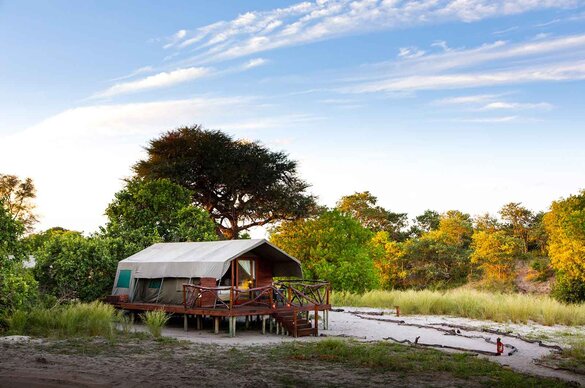
Camp Savuti
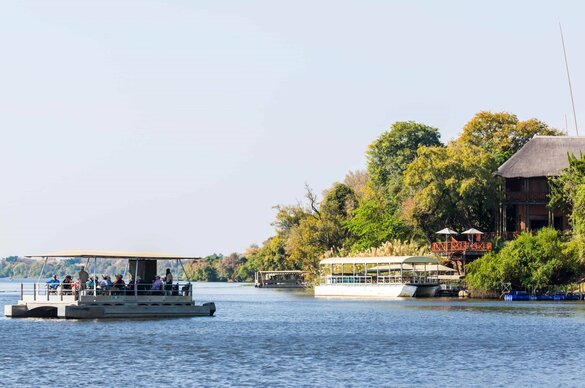
Chobe Marina Lodge
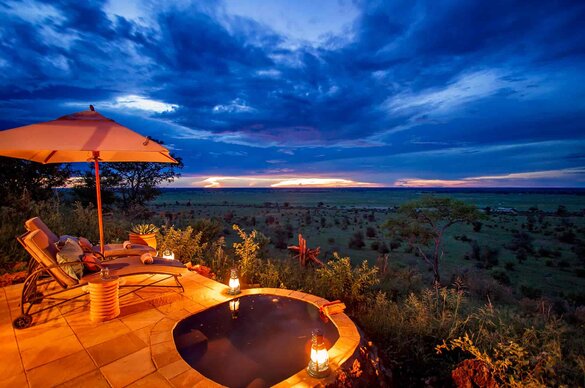
Ngoma Safari Lodge
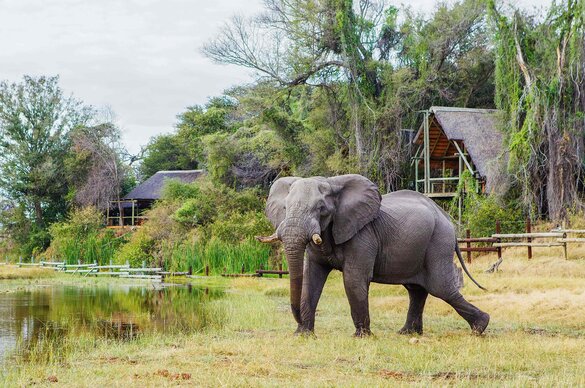
Savute Safari Lodge
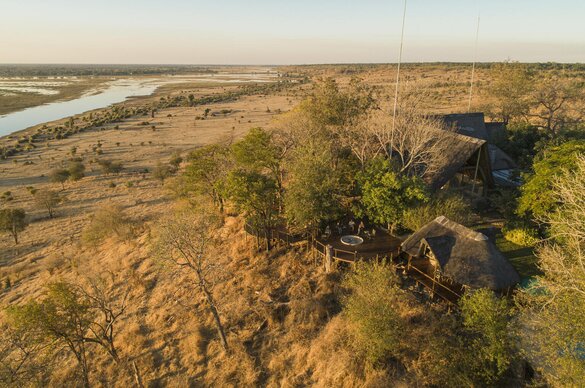
Muchenje Safari Lodge
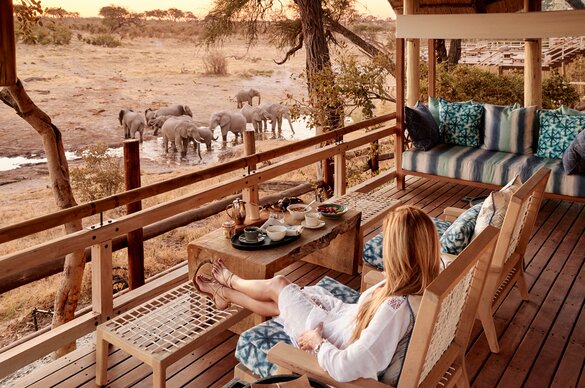
Belmond Savute Elephant Lodge
Not sure which of the 18? Tell us who is travelling and what you want the days to feel like. We will shortlist three, with the reasoning — and say which we would book ourselves.
Speak to a Safari ExpertJourneys we have run many times
Routes with the flights, transfers and lodge order already solved. Each one is a starting point your specialist shapes around your dates.
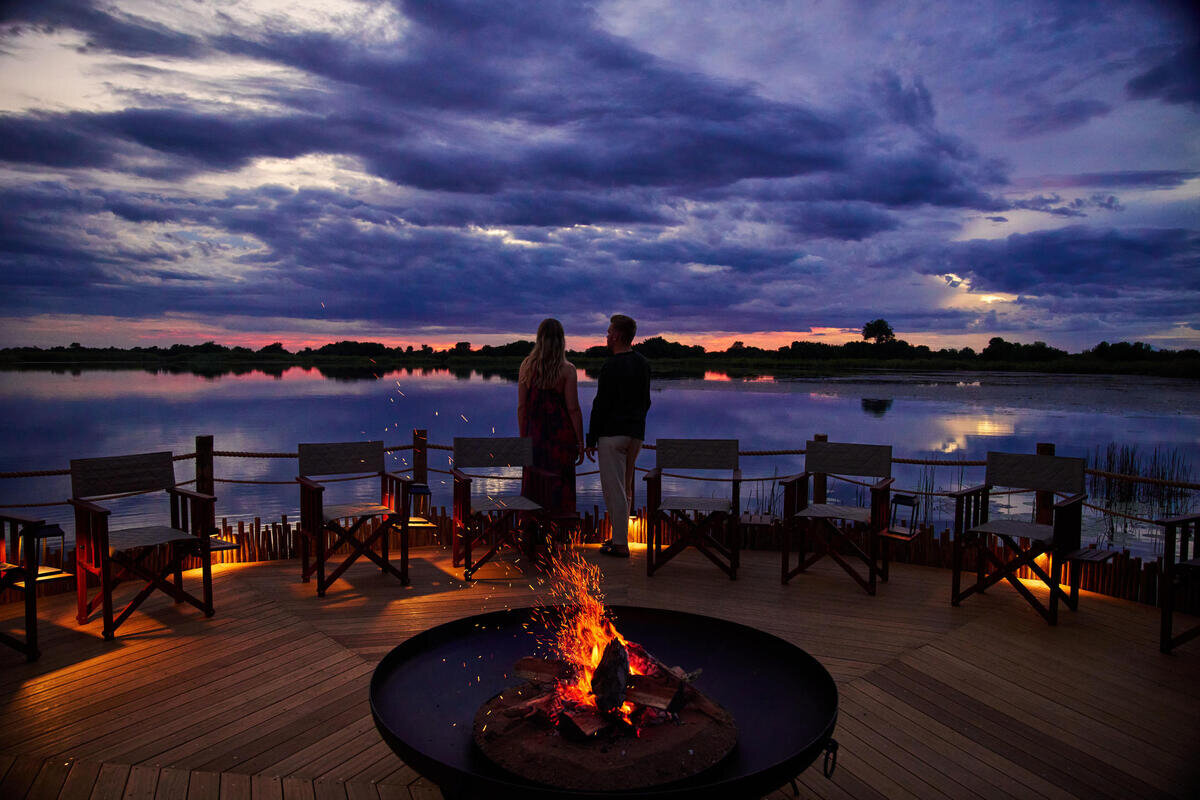
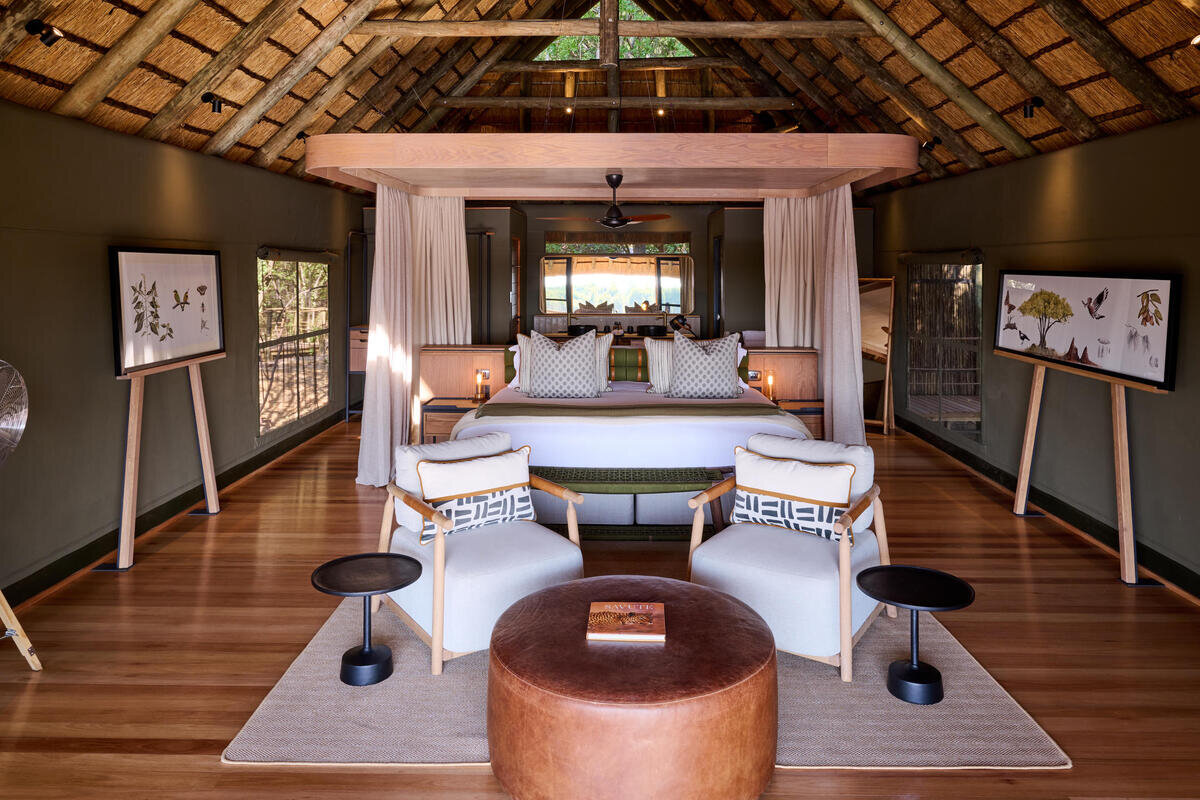
How the days are spent
Game drives along the riverfront and boat cruises on the Chobe River are the spine of a Chobe stay, with photographic boats, fishing and Victoria Falls day trips arranged around them.

Bush Walks
Visitors may head out on foot with their armed ranger. The perspective of the bush is entirely different to that of a vehicle, and guests will learn to read the signs of the wild, and perhaps come into close contact with the different animal species on the reserve.

Fishing
Apart from the relaxing aspect of fishing, it is a glorious way to be at one with the bush, listening to the chirping of the various bird species or the sounds of Hippos in the distance.

Night Safaris
As the sun sets over the horizon, the African bush is awash with colours and sounds. The evening dawns and the nocturnal animals come out from their sleeping spots. Night time is when new adventures are to be had while on safari.

Game Drives
Rest your feet while going deeper and farther than you ever thought possible for up-close game encounters. The game drives leave just before sunrise, ensuring that you get to see the entire bush wake up. The feeling of excitement and being at one with nature is indescribable.

Game Viewing
In national parks and some other reserves, rules prohibit leaving the designated safari paths. But the wildlife are not always considerate enough to stay nearby. Get better vantages (and better photos) by heading off-road or watching animals from the hide.
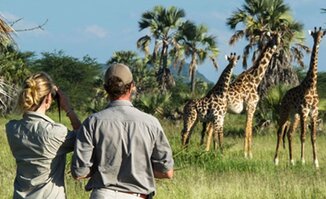
Walking Safaris
Visitors may head out on foot with their armed ranger. The perspective of the bush is entirely different to that of a vehicle, and guests will learn to read the signs of the wild, and perhaps come into close contact with the different animal species on the reserve.
What you are likely to see
Comprising of such a vast area of diverse habitats, the park provides a variety of wildlife depending on your location. Water-based camps are more focused on water-safari’s abundant in birdlife and excellent for crocodile and hippo sightings, whereas the dry season attracts a huge number of animals making for thrilling game viewing with four of the Big Five easily spotted.


Frequencies describe how often a species is recorded across a season, not what any single drive will produce.
Chobe month by month
May to October is the dry season: the herds concentrate on the river and viewing is at its best. November to April is green and hot, with birds, newborns and lower rates. Read the full month-by-month guide.
Best Time
August to October (Best wildlife viewing at the riverfront area)
High Season
July to October (The park gets crowded)
Low Season
November to June (Low season rates may apply)
Best Weather
May to August (Less hot during the day)
Worst Weather
October (It gets extremely hot)
The last showers marking the end of the Wet season normally fall in April. From May, the park becomes drier and drier as the Dry season unfolds. June and July are the coolest months; however, temperatures begin increasing in August and peak in October, which is aptly named ‘suicide month’ by the locals. The first rains are a relief. It doesn’t usually rain all day, but thunderstorms in the afternoon and short showers are common. It’s hot throughout the season with afternoon temperatures of around 31°C/88°F. Mornings are pleasant, although it starts to cool down at night in March. See the month-by-month climate chart.
Reaching Chobe
Most visitors to Chobe National Park will have to come through the town of Kasane, or Maun, whatever mode of transport they choose. There are direct flights from Cape Town and Johannesburg to Botswana, arriving at Kasane Airport (BBK) or Maun (MUB). A short drive from Kasane Airport will take you into the Chobe National Park, whilst a short charter flight (usually included in your tour package) is included to get to your destination camp. You can also combine a safari in Botswana with a visit to Victoria Falls, an easy road transfer of approximately 90 minutes will see you arrive in Kasane. Your local tour operator will package your safari trip to include airport transfers and flights as part of their service.
By air
By road
Good to know
Your specialist confirms transfer timings, luggage limits and arrival windows with each property before you travel.
What you get that a booking form does not
We know the lodges
Not a directory. We place guests in Chobe every week and know which lodge suits which traveller.
Contracted rates
We sell under agreements with the lodges, with a best price guarantee and no booking fees.
One person, start to finish
The specialist who quotes you is the one who books it and the one who answers while you travel.
A reply within 15 minutes
In working hours, an enquiry gets a human answer — not an automated acknowledgement.
Everything arranged
Flights, transfers, arrival timings, dietary notes and conservation fees confirmed with each property before you travel.
Accredited and accountable
SATSA-bonded, ATTA member, and reviewed publicly on independent platforms.
Tell us the shape of the trip
Your dates, who is travelling, and roughly what you want the days to feel like. We come back with two or three lodges worth your time, priced, with the reasoning — within 15 minutes in working hours.